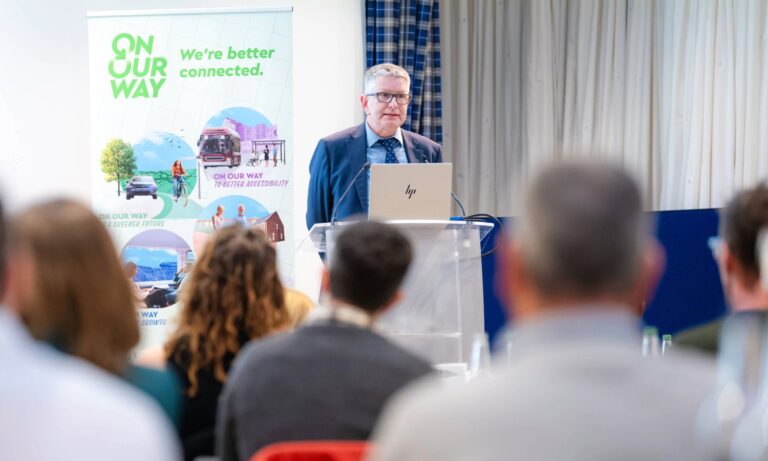
Our Partnership Director, Brian Butler, looks back at our first Transport Summit that took place earlier this month.
Everything in our lives depends on connections. Whether it’s getting to work, reaching a doctor’s appointment, or supporting local businesses, transport links shape our communities. And here in the South East of Scotland, those links are more important than ever. With a growing population and evolving economy, the pressure on our roads, buses and cycle paths is only increasing.
This month, we hosted our first-ever transport summit. Leaders from the public and private sectors, along with charities and community groups, came together to talk about one thing: how transport connects people, places and opportunities. There were celebrations of what’s already been achieved, plenty of lessons shared and a clear vision for the future.
Key initiatives discussed included our SEStransit project (a regional mass transit network to support economic growth), our regional transport strategy delivery plan, our People and Place active travel plan and our transport to health work. We also launched our Regional Bus Strategy. For a relatively small organisation, SEStran is making a big impact.
But beyond the strategies and reports, one message kept coming through: connections matter. Every bus route, cycle path and timetable isn’t just infrastructure, but a lifeline linking people to jobs, services and each other. Transport isn’t just about moving people, it’s a tool for economic growth, health and wellbeing.
Transport and growth go hand in hand
The First Minister’s plans for stronger regional economic partnerships mirror our approach. By working with the Edinburgh and South East Scotland City Region Deal and South of Scotland Enterprise, we’re making sure transport decisions help the entire region grow.
Population growth brings opportunities and challenges. More people mean more housing, public services and infrastructure. Our roads and buses are already under strain, and congestion costs the UK economy over £7.7 billion a year. Edinburgh is among the top ten most congested cities in the UK, and the A720 City Bypass is one of the most congested roads in the country. Reducing congestion isn’t just about getting somewhere faster. It boosts productivity, keeps communities connected and makes life easier for everyone.
Transport is also a bridge to health
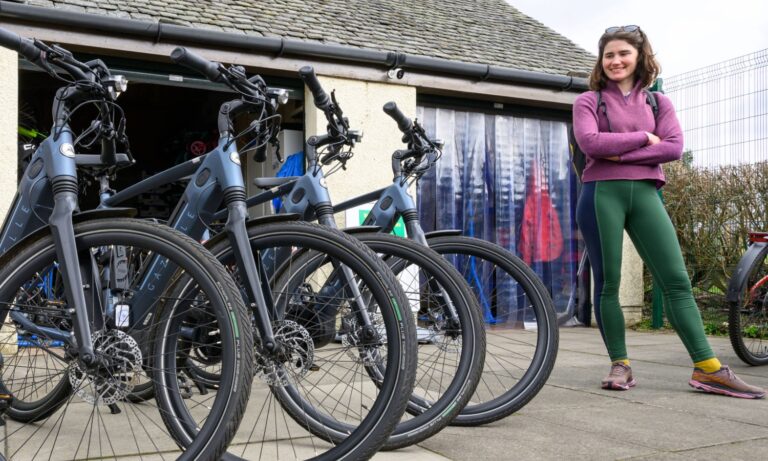
We often forget that transport isn’t just about work and commerce. It’s essential for health and wellbeing too. Our work on a transport to health strategy will help people get to medical appointments, reducing missed visits and easing pressure on the NHS. Meanwhile, our People and Place programme encourages walking and cycling, which is great for mental and physical health but is also a small but meaningful way to ease congestion. Active travel literally helps people live healthier lives while strengthening communities.
Every journey matters. Every connection counts.
These lessons point clearly to where government support is needed to strengthen connections across the region:
Three priorities to strengthen connections
When these three priorities come together, we get a transport system that truly connects people, places and economic opportunities across the region.
A future powered by connection
Transport is more than the sum of its parts – it’s the thread that ties communities together. When connections work, people reach jobs more easily, children get to school on time and patients access care without delay. Communities thrive, businesses grow and the region prospers.
Connections turn ideas into opportunity and plans into action. And our work is all about making those connections real. Those strong connections will mean a stronger future for South East Scotland.