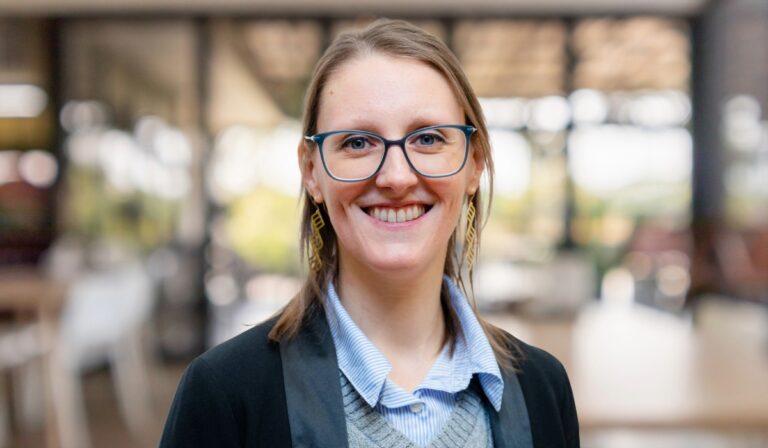

Our Strategy Manager, Rachael Murphy, has written our latest blog about the next steps following the publication of our Regional Bus Strategy late last year.
Following publication of our Regional Bus Strategy in December, as we move into 2026/27, we will begin the process of delivering the actions it sets out through our Regional Bus Action Plan. This is an exciting time, as we look to strengthen connections between places, improve access to jobs and essential services, and support the long-term sustainability of public transport.
At the heart of this year’s work is a comprehensive regional Level of Service Review. This will give us a clear, evidence-based picture of how well the current network is performing and where improvements are most needed. It will also help guide future decisions about where investment can have the greatest impact. We will be working with partners to refine the objectives of the review, agree what we are aiming to deliver, and be clear about timescales and roles. This early scoping work is important to make sure the review is focused, realistic and aligned with regional priorities.
 Assessing connectivity
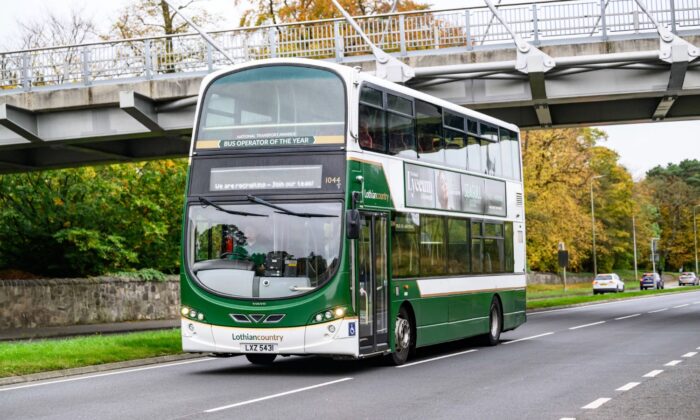
A key part of the work will be developing a Connectivity Audit Framework. This will provide a clear and consistent way to assess how well different places are connected by public transport. The framework will look at bus, and connecting modes, and other connections between our cities, towns and villages. It will set out how we classify places, how we measure both direct and indirect links, and what good looks like in terms of service frequency across different days and times of day. It will also help us assess access to key destinations such as town centres, employment areas and transport hubs.
Crucially, the framework will not just focus on services in isolation. It will also take account of wider factors such as deprivation data, demographics, demand responsive transport, and how transport supports place-based planning. This will ensure we are looking at the network in the round and not just as lines on a map.
Building a strong evidence base
Once the framework is in place, we will move on to building a detailed baseline picture of the current network, mapping existing services alongside place-based characteristics and relevant socioeconomic data. Where possible, we will also include future development sites so we can understand how the network may need to adapt over time.
This baseline will allow us to identify gaps in provision, assess how well services meet the agreed Level of Service criteria, and better understand the experiences of different groups across the region.
Exploring options for improvement
With this evidence in hand, we will then explore potential service interventions to address the most significant gaps we identify. This will involve testing possible route options, looking at indicative costs, understanding who could benefit.
By testing these options against the baseline, we can start to see which ideas offer the strongest case for future investment and where limited resources can be used most effectively.
Working with partners
We will be working closely with partners, including local authorities and public transport operators, throughout the year to sense check findings and shape proposals. This collaborative approach is essential and will ensure that what we are proposing reflects real world conditions and can be delivered in practice, not just on paper.
 Linking to wider work across the region
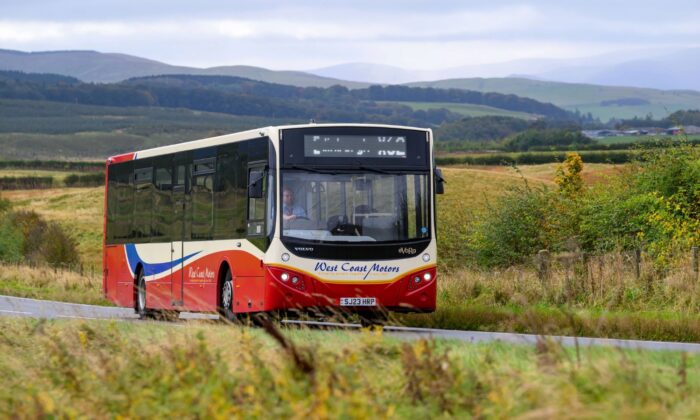
Alongside the Level of Service Review, we will continue work on improving rural transport to employment and education, supporting targeted ticketing initiatives, and progressing our work on transport to healthcare. The insights from all this activity will feed into the wider bus action plan and help shape longer term regional priorities.
Turning evidence into action
The final piece in the work for the year will be to translate the agreed actions into a clear, delivery focused workflow. This will set out scopes, dependencies, risks, enablers and indicative resource requirements, and will help support implementation beyond the coming financial year.
It’s an exciting time, and I’m looking forward to taking forward the actions set out in our new Regional Bus Strategy and delivering an evidence-led, partnership-driven approach to improving regional bus services and enhancing opportunities for communities across the region.