

For many across South East Scotland, finding a job is only part of the challenge – getting to it can be just as difficult. In our latest blog, our Programme Manager Michael Melton, talks about our new Transport to Employment work which is looking to tackle some of the transport barriers that prevent people accessing employment and training opportunities in our region.
Transport barriers, such as cost and availability of services that do not match shift patterns, can prevent people from accessing or sustaining employment. This has a direct impact on household incomes and on child poverty.
Our Transport to Employment programme is focused on tackling these challenges. Supported by Scottish Government funding, our programme is designed to improve access to work and training, helping more parents into employment and supporting better outcomes for families across the region.
A framework for action
Our programme is built around six key areas of work, which together shape a coordinated, regional response to transport barriers.
Turning ideas into impact
Across the region, these themes are being translated into practical projects that will make a difference on the ground.
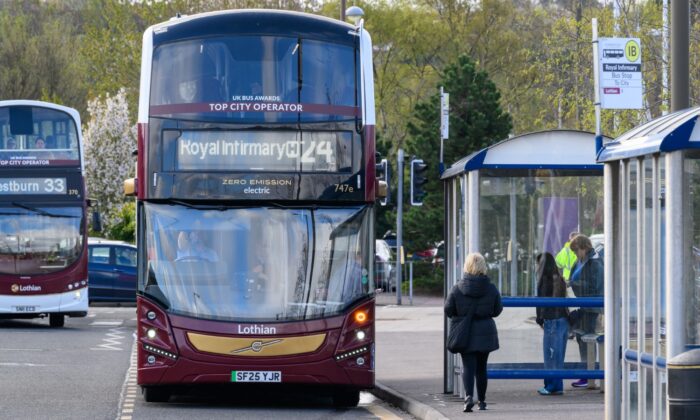
In the Scottish Borders, a coordinated programme is combining new bus services with employer engagement and behaviour change initiatives, helping parents access jobs, training and education. In West Lothian, a new Sunday bus service is addressing gaps in weekend provision, supporting shift workers who previously had limited transport options.
We are also supporting more personalised approaches. Through a pilot project being delivered by FEL Scotland in Clackmannanshire and Grangemouth, a dedicated link worker is helping parents navigate transport options, build confidence and overcome practical barriers. This kind of tailored support can be critical for people who are returning to work or accessing training for the first time in years.
Alongside this, projects like The Bike Station are creating new pathways into employment through paid placements and accredited training, while programmes such as Powering Futures are raising awareness of careers in the transport sector and linking this with access to opportunity.
A more connected region
By bringing together local authorities, employers and delivery partners, we are able to link individual projects into a wider strategy that improves connectivity across South East Scotland.
This matters because transport challenges are rarely isolated. A missing bus connection, a lack of affordable options, or services that do not align with shift work can all prevent people from accessing opportunities. By addressing these issues in a coordinated way, we can create a system that works better for everyone.
Ultimately, this is about ensuring that transport connects people to opportunity, helping to tackle child poverty as well as ensuring no one is held back simply because they cannot get where they need to go.