April is an important moment in the year for us, as our new work programmes come into focus with the start of the financial year.
A number of transport challenges in our region provide a backdrop to our work – car use continues to grow, which in turn increases emissions and pollution, increases congestion and can cause death and serious injury.
To address this, we need to encourage active travel and the use of public transport. However, over the last few decades, bus patronage has fallen, and whilst active travel rates are increasing, this is a long term, slow burning initiative which is subject to funding challenges.
To tackle these challenges, we need:
The importance of these asks has been further confirmed in the Scottish Government’s recently published Climate Change Plan:
“To achieve net zero by 2045, we need to transform how we travel in Scotland. Currently, transport accounts for the largest share of our greenhouse gas emissions. There will need to be a major shift in the vehicles and fuels we use in our transport and energy infrastructure, our travel choices, and in the transport skills that people learn and deploy… In basic terms, we need to move away from the types of transport that contribute most to greenhouse gas emissions and instead use the types of transport that are less carbon intensive. Where possible, especially where public transport alternatives are available, this includes moving away from traditional private car use – the largest contributor to transport emissions.”
So, the need for change is clear. But what does this require, and where do we all fit in – whether as an organisation, a community or an individual?
For South East Scotland, our Regional Transport Strategy (RTS) is a good place to start. It provides the framework for everything we do, through four objectives:
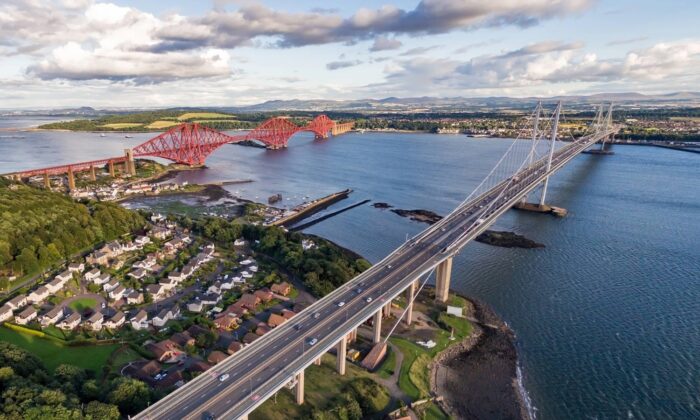 To support the delivery of the RTS, in 2026/27, we will be working on six key programmes which also help address the transport challenges we set out in our Scottish Parliamentary election asks. These programmes will enhance transport connectivity, accessibility and sustainability across the region whilst improving everyday journeys, supporting local communities, driving economic growth and fostering social wellbeing.
By working on these programmes, and as with every year, we will take another step closer to achieving the objectives set out in our RTS and tackling the transport challenges our region faces.
But what about the small changes each one of us can make in our day to day lives? It can be easy to think about change being something we need other people to do, particularly when focusing on overall programmes of work, and forget that this also applies to ourselves.
At SEStran, we try to ‘walk the walk’ as much as possible, using active and sustainable ways to get around wherever we can. And in recent months, I’ve discovered I really enjoy cycling to work on the days we’re in the office, not only for the health and wellbeing benefits, but for the physical activity.
So, as Spring continues to bloom, and we tackle the transport challenges our region faces, could you make a change to a regular journey so that it is more active or sustainable?