
Transport to Health – the case for change
The case for change
In 2025/26, we continued our work to develop a Transport to Health strategy for the SEStran region. The next step in the process was to develop the case for change. This sets out the evidence base for developing the strategy, covering NHS Borders, NHS Fife, NHS Forth Valley and NHS Lothian.
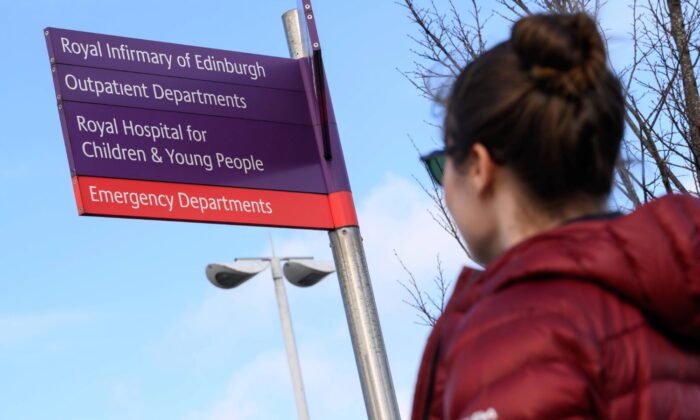 Our case for change responds to national policy expectations for closer collaboration between Regional Transport Partnerships and health boards and provides a shared understanding of how transport affects people’s ability to access healthcare across the South East of Scotland. It focuses on non-emergency journeys to healthcare (so not emergency ambulances). This ranges from journeys to acute tertiary and secondary care hospitals to local primary care services like GP surgeries, pharmacies and dentists.
To do this, we have drawn together demographic and socio-economic analysis, travel-time modelling, public consultation evidence from over 1,500 respondents, and engagement with NHS partners, local authorities and community transport providers. Together, this evidence shows that while access to primary care is generally good across much of the region, transport barriers to hospital-based and specialist care are widespread, unevenly distributed, and fall disproportionately on people without access to a private car.
What our evidence shows
Across all four health boards, a consistent set of challenges emerges:
- Travel to centralised acute hospital facilities by its nature presents greater challenges to patients than local primary care journeys, requiring careful planning to ensure complex and long journeys can be made with maximum convenience and efficiency.
- People without access to a private car face disproportionate barriers, reinforcing transport-related health inequalities.
- Transport barriers contribute to missed and delayed appointments, especially for outpatient and specialist care.
- Accessibility issues limit the suitability of public transport for some users, even where services exist.
- Parking pressures at major hospitals increase stress for drivers, but do not necessarily reduce car use, as many patients and visitors remain reliant on private cars due to limited, practical alternatives.
- Community and demand-responsive transport play a critical role, but capacity, funding and coordination constraints limit their effectiveness.
Read our case for change
Our Transport to Health Case for Change establishes a shared evidence base and clear rationale for intervention.
Read the case for change documents:
Transport to Health Case for Change
Transport to Health Case for Change Appendix (including the Equality Impact Assessment EqIA)